
Our Value Proposition is Threefold
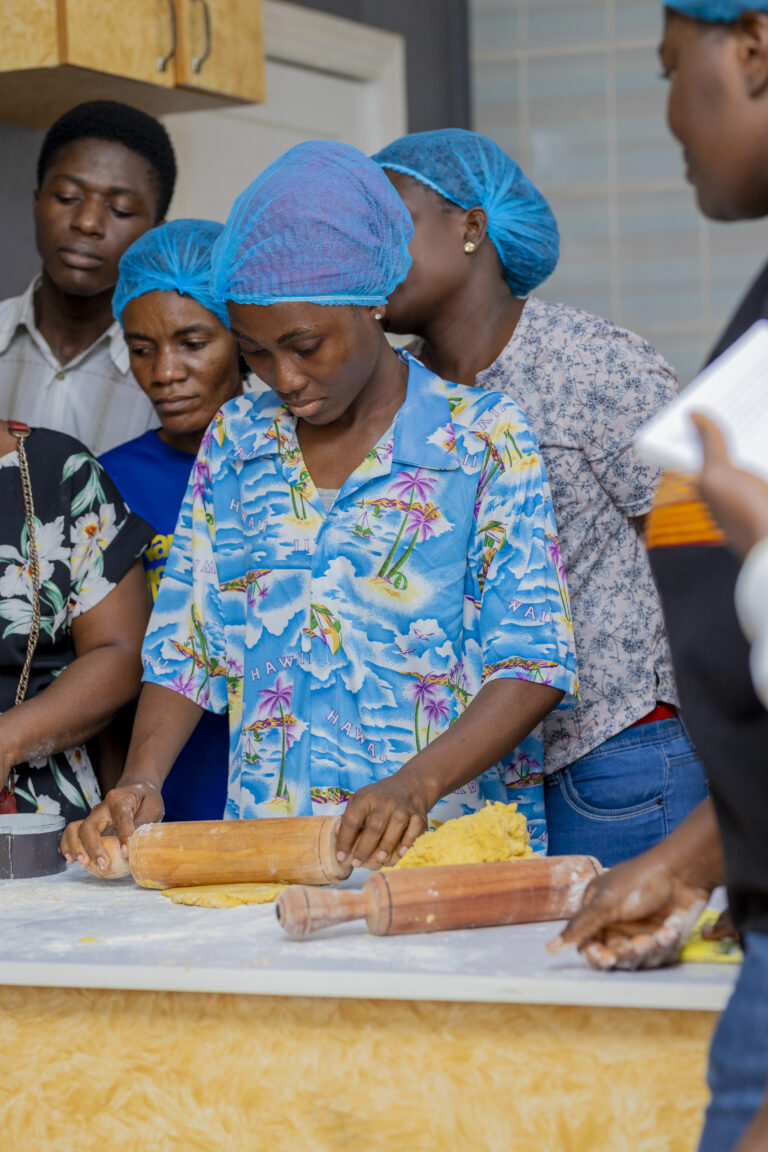
- Empowering Youth as Change Agents: YDP-Ghana seeks to transform youth from passive beneficiaries into active leaders of community development by training 20,000 youth in market-relevant skills, engaging 1000 in civic projects and educating 2000 in financial literacy.
- Sustainable Community Transformation: Through youth-led initiatives like sanitation projects and cooperative enterprises, we create self-sustaining communities that reduce poverty by 5% and increase literacy by 10% in target areas.
- Scalable Model for Africa: YDP-Ghana’s community-driven approach serves as a replicable blueprint for other African nations, leveraging partnerships with UNICEF, the Commonwealth, and local stakeholders to maximize impact.
Our Impact
Over
youth directly and indirectly engaged through the STEP UP Ghana Initiative
Over
youth trained in practical skills
Over
participants enrolled in our Mentorship Program
business created
GH₵
seed funding awarded
Our Programs
Our Case: The Challenge
Ghana’s youthful population is a double-edged sword: a potential engine for growth and a risk of social and economic instability if left unaddressed. The following challenges indicate the urgent need for intervention:
- High Youth Unemployment and Underemployment: The youth unemployment rate of 12.6% and underemployment rate of 14.7% reflect a critical skills mismatch and lack of job opportunities, particularly in rural areas (World Bank, 2025). This contributes to a 5% annual increase in NEET youth, with 1.2 million currently disengaged (Ghana Statistical Service, 2023).
- Poverty and Marginalization: 27.2% of youth live below the poverty line, with rural and fishing communities facing extreme deprivation. For example, 30% of youth in the Volta Region report food insecurity (UNICEF, 2022).
- Educational Barriers: Despite improvements in senior high school access, 20% of young adults lack basic literacy, and 1.2 million youth are NEET, limiting their employability and civic participation (UNESCO, 2022).
- Health Challenges: Limited access to sexual and reproductive health education contributes to an 18% teenage pregnancy rate and high HIV prevalence among youth (WHO, 2023).
- Financial Exclusion: 60% of youth lack access to formal banking and financial services, and only 25% have basic financial literacy, hindering entrepreneurial ventures (World Bank, 2023).
- Low Civic Engagement: Only 10% of youth participate in local governance, leaving them disconnected from decision-making processes and vulnerable to exploitation by political actors (Afrobarometer, 2023).
- Youth Migration: Approximately 100,000 youth emigrate annually, seeking better opportunities abroad, which weakens Ghana’s rural economy and community cohesion (Ghana Statistical Service, 2023).
These challenges are compounded by a lack of entrepreneurial structures tailored to grassroots and marginalized communities. While government programs like the Youth Employment Agency (YEA) have created some opportunities, their impact is limited by urban bias and insufficient focus on sustainable, community-led solutions (Commonwealth, 2022). The underutilization of youth potential not only perpetuates poverty but also fuels.